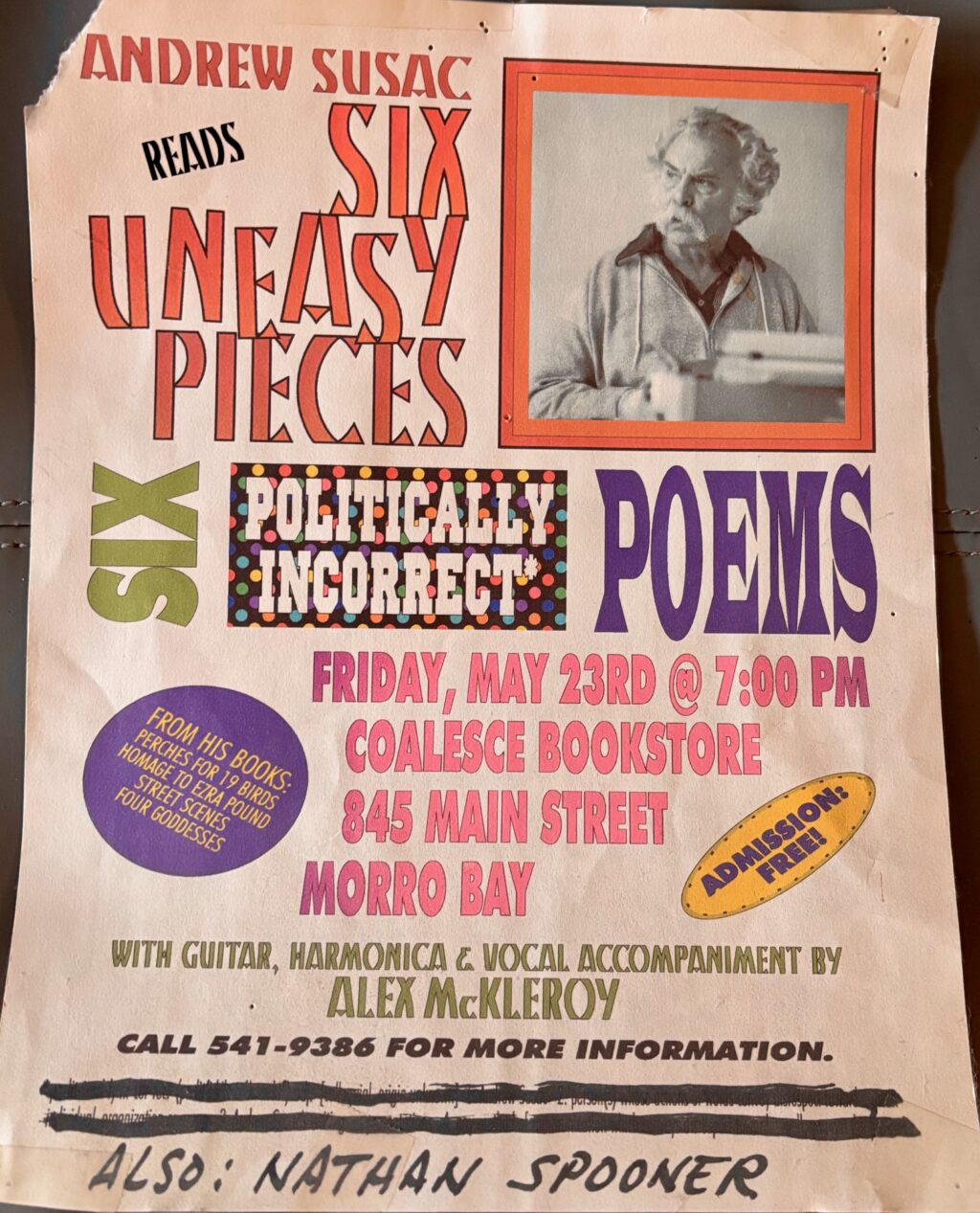
Our “The World’s Most Interesting Man (you’ve never heard of)” series presents: the Retrospective of counter counter-culture life and poetry from San Francisco school teacher Andrew Susac. (Not the Giants former catcher.)
by J.Macon King, based on recollections, collections and memorabilia of Alex and Kaye McKleroy. Thank you!
Andrew “Andy” Susac was a “natural conservative” but a creative free spirit. He arrived in San Francisco as a WWII Pacific Theater Army vet in 1955’s Beat era. Considering himself a regular man’s man, a degreed literary scholar and “serious poet,” 31-year-old Susac found much to consider, as well as much to dismiss and diminish of the blooming counter culture over the next few decades.
Beat poetry, opposed to classic poetry, was influenced by jazz musicians, and designed to be performed live, and often loud. And perform they did. To poet\writer\actor\family-man Susac, striving for his voice to be heard, having familiarity with both yoga and Buddhism, he found many would-be hipsters’ attention-seeking-claims-to-fame manifested often as “more versifying than poetry.” To be blunt: some readings became pissing contests of inauthentic Zen spirituality, craziness, outrageousness, and self destructiveness. Susac was fond of the true creatives like Ferlinghetti and authentic Zen practitioner-poet Gary Snyder.
Semi-reluctantly lumped in with the Beat Poet cottage industry, Susac would present his more lyrical poetry at the North Beach venues where the goateed weed, whites and wine infused Beats read “existential work” with bongo drums—Caffe Trieste, The Coffee Gallery, Tosca, Specs, Club Fugazi.
Considering Susac’s upbringing with strict Ohio Croatian parents, coal mine worker father, his rapes by the local priest (disbelieved by his parents), war-ravaged South Pacific based military service (New Guinea), and a Tulane U Master’s Degree in English Lit, there is little surprise, sensitive and artistic Susac had bourgeois’s critical eye. An eye un-tinted by rose-colored glasses, of what he noted was San Francisco’s scurrying into the feminist-ized and homo-sexualized, nouveau Wild West.
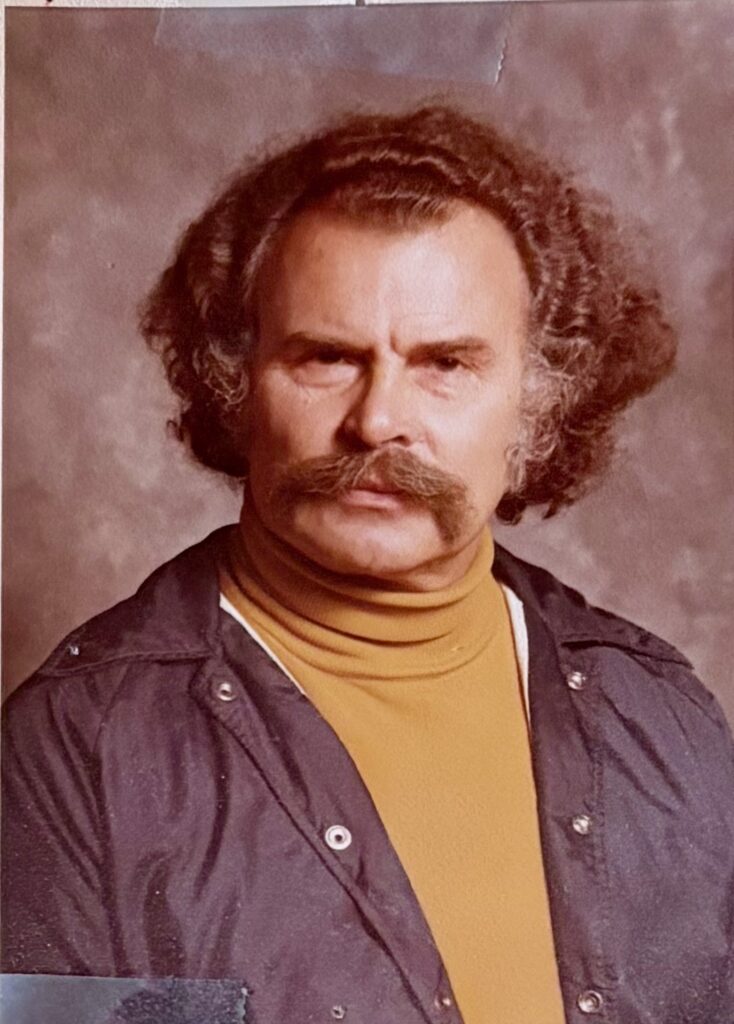
However, Susac would soon go with the aspects of the flow. He became student and friend of famed body-builder and yoga master, San Francisco’s Walt Baptiste, and Walt’s beauty queen wife and belly dancer, Magana Baptiste, and family. The Baptistes are an entire story, nay book, of their own, having opened the first yoga studio in the City, whose students would include Lenny Bruce, Herb Caen, and Jack LaLanne.
Baptists would also open San Francisco’s possibly first health food store (with yoga studio above), on Clement Street at Arguello, with the beckoning round neon sign, “EAT.” Baptiste’s daughter Sherri remembers, “Andy’s positive support and nature when dad was buying it.”
The Baptistes would create a dynasty of Hatha Yoga with their son Baron and daughter Sherri. (MillValleyLit e-i-c J.Macon King and wife Perry were students of Marin County based Sherri Baptiste with Perry becoming Baptiste certified.)
As detailed in Dennis McNally’s recent book, The Last Great Dream (see articles listed on home page of this magazine), the Haight Ashbury, a conservative Irish Catholic neighborhood, would develop into a refuge of Beats and bohemians escaping the fading North Beach. Some date the Beat scene death knell as June, 1964 as the Beats being beaten out by the mob’s burgeoning topless sex clubs, such as The Condor featuring the blimp-breasted Carol Doda.
The Haight’s residents, fearing the proposed looming highway from 101 Fell Street ramp to the Golden Gate Bridge, created very low rents, attracting the Beats and other money challenged, creative types, eventually incubating the Hippies. The proposed highway was thankfully fought off, although gentrification’s demolishment would hit other neighborhood’s, mostly black.
The Hippies, Beat influence embedded, were the winners of this milieu. Andrew Susac faced more challenges both creatively, and professionally with his students, when influenced by their older and stonier siblings, emerging rock music and FM radio access, with the more colorfully attractive, and media-fueled, Hippie culture.
Pre-war, in New Orleans, Susac had been a theatre actor, having written plays in which he starred with his friend, soon-to-be-Oscar’s Best-Actor-winning George C. Scott (Patton). In the early 60’s, Susac would recreate this former self, returning to theatre. With assistance, participation, staging space and more from the Baptistes, Susac launched theatrical productions.
Sherri Baptiste recollects: ” ‘The Academy of Integral Arts’ early to mid sixties was on the corner of Van Ness and Turk Streets. Dad and mom (Walt and Magna) opened it in addition to the downtown studios around Union Square that they also had going for ‘Physical Culture and Yoga’.
“The Academy of Integral Arts was developed with a Dance Studio room for mom’s work, an Art Studio with two rooms. One with art tables and all the artists easels and supplies, then another room with models that students, Integral Art students, would draw or sculpt the human forms. Nudes. The art rooms had glass doors that closed, for the artists to focus, as did the dance studio. In another room was a stage for drama and other plays. That was the Susac area. Andy and his wife Nan, both very dramatic souls, did theater and poetry presentations.
“When I was about eight years old, I had to memorize, with Andy as my tutor, a poem to perform in one such play/event. It was hard for me. I honestly didn’t understand the poem—might of helped me if I had.
“Mom and Dad had acting and drama training and experience in their backgrounds. My mother performed in the plays as well. This Institute of Study, this Academy of Integral Arts was the inception of my Dad and my mother, it was also established to give the Susac’s, and Joe Capozio (famed artist known for his rendition of dancers and a lead male dancer in the Magana Baptiste East Indian Dance Troupe) and wife (ceramic artist) Stevie Capzio the studio rooms to develop their work as leaders and teachers in their fields. Mom and dad believed in the arts, integral arts deeply.”
Susac’s major theatrical production was based on Edgar Lee Master’s free versed “Spoon River Anthology” through the Baptiste’s Institute. Performing the fifty! character play at the SF public library with Susac playing eight characters. Alex McKleroy sang, acted in several roles and played guitar and other instruments, and a voice actor for Lucy in the “Charlie Brown TV Specials,” possibly Melanie Kohn, played seven characters. The Capozios were also probably part of the productions. Susac, unknowing of the official Broadway musical production, was soon C&D’d by the publishing house and shut down.
In the later seventies, Susac’s wife, Nan (with three children), had (speculatively) enough of the creative life, their resulting economics, and Andrew’s possibly male superiority ethos (not uncommon among Beats, musicians, and dudes of those eras in general), splitting up the long marriage. Susac soon became something of a poetic wanderer, living in several California towns such as Shasta and San Luis Obispo.
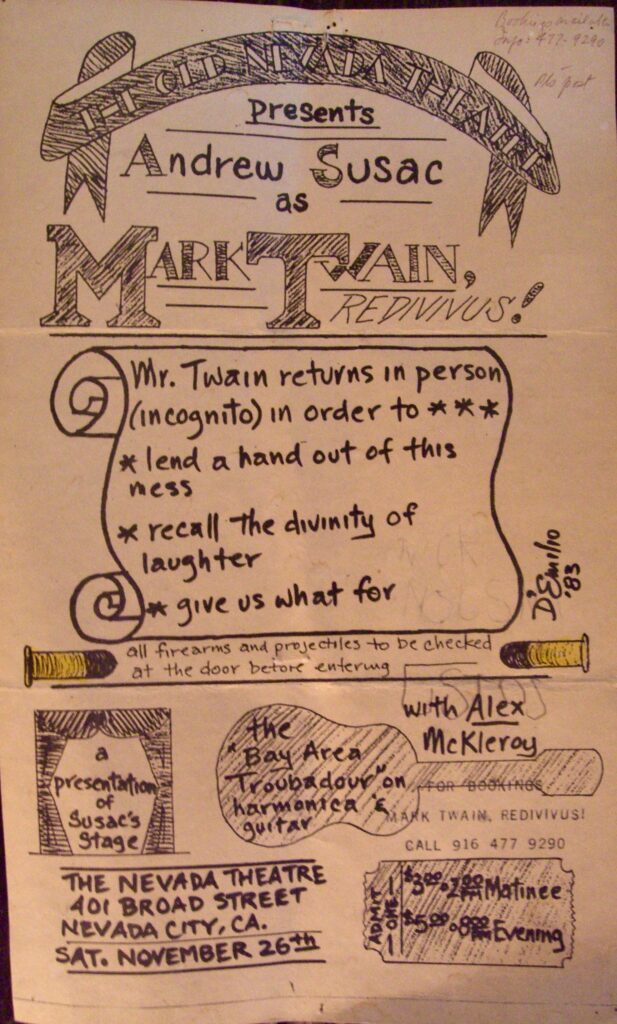
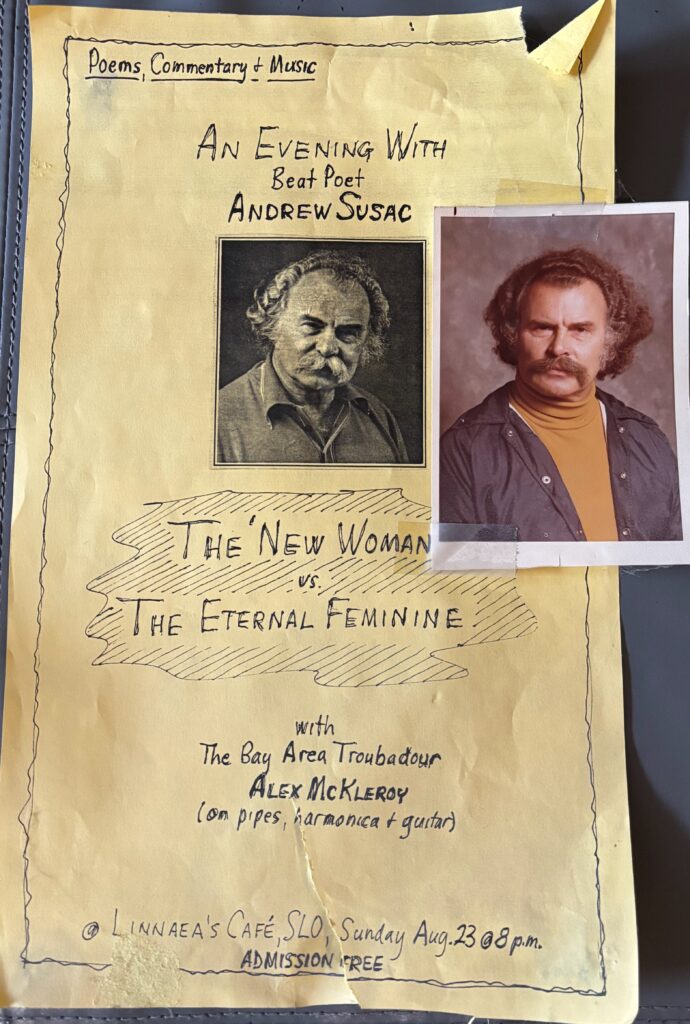
Susac would ply these and other outlying Bay towns as a poet and actor, often accompanied by former fellow (SF) Town School (private boys school) teacher and good friend, Alex McKleroy, on acoustic guitar. Susac staged performances impersonating Mark Twain as seen in the following original poster for the Gold Rush era Nevada Theatre in the Sierra foothill town of Nevada City, CA.
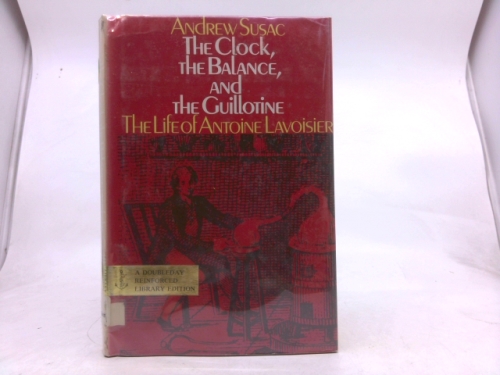
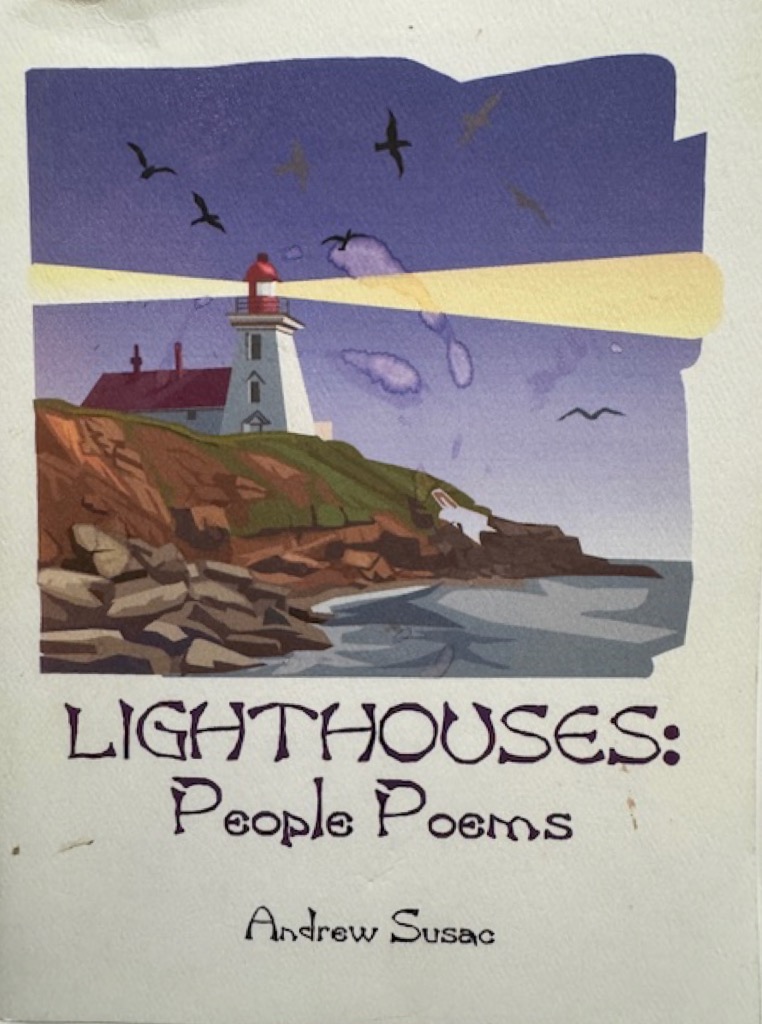
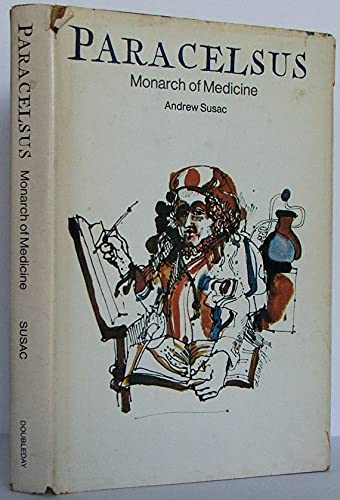
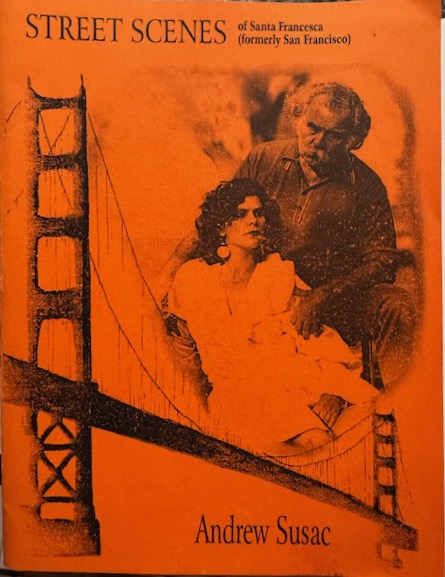
Though long literarily overlooked and forgotten, Susac was a San Francisco force. His numerous works of poetry and biographical novels (both self-published and through Doubleday) appear available at AbeBooks and thriftbooks.com by searching. Book covers follow below. And possibly in used bookstores, if one can still find such an endangered species.
Although this magazine’s editors have sentiment, enthusiasm, and indeed participation, with the times’ rebellious youth and values, we find it certainly worth acknowledging and sympathizing those “squares” and “straight” (not cool) folks—such as Depression, war, and atomic bred parents and grand-parents, and particularly the conventional military and manly men. We have spoken with parents whose children ran away to the Haight and out of contact, still resentful of “your generation,” leaving parents helplessly hoping. (See Carol Green’s memoir in our magazine, “I was a Teenage Runaway: Haight Ashbury 1968”) All citizens were attempting, as ill-prepared as they were, to adapt, navigating with a splintering rudder, swept along or left stranded, in the maelstrom of rapidly shifting sexual, feminist, political and traditional values in post-war America. The massively creatives among them are awarded the Immunity Idol!
“STREET SCENES of Santa Francesca (formerly San Francisco)”
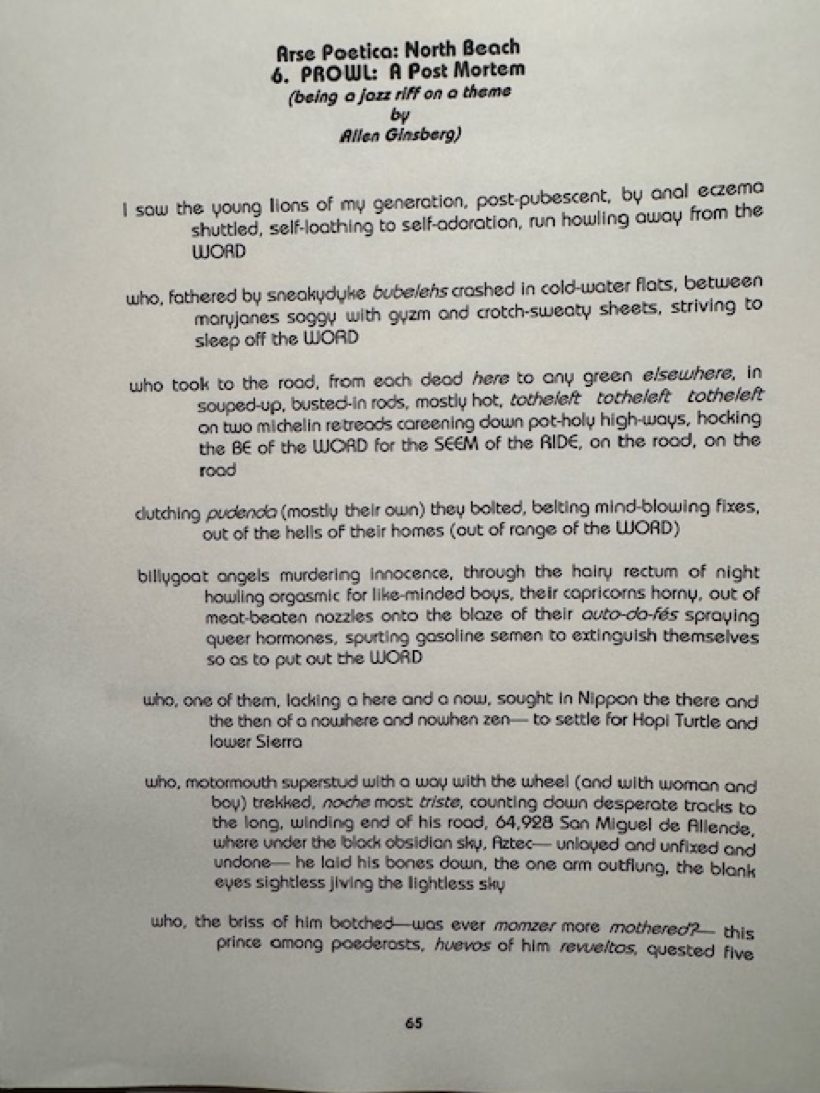
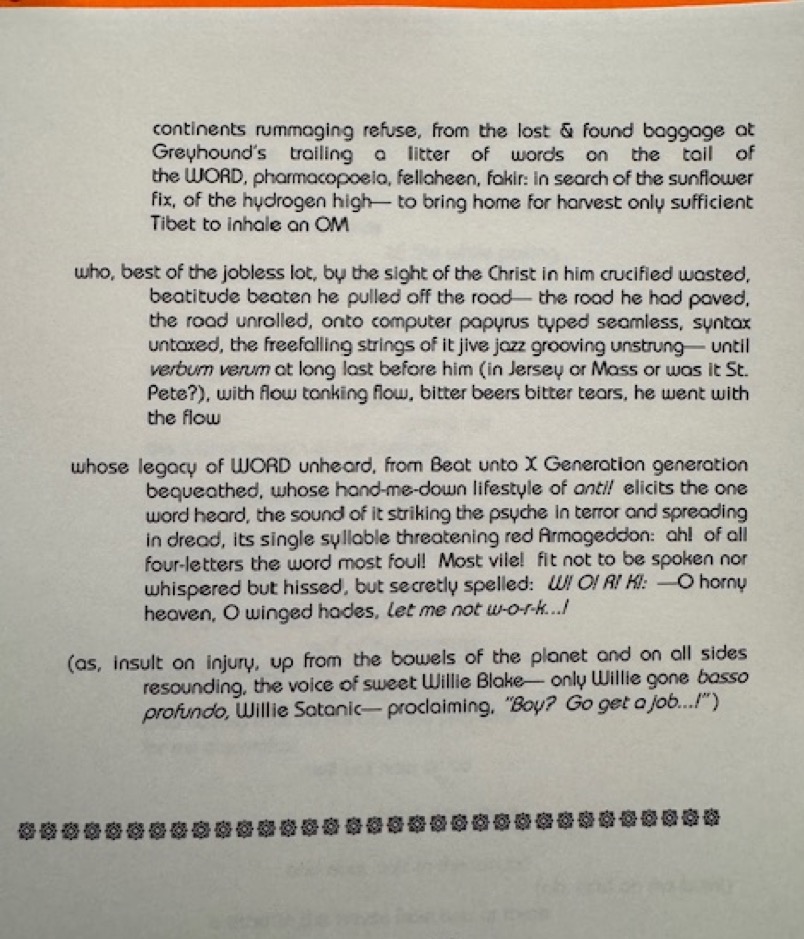
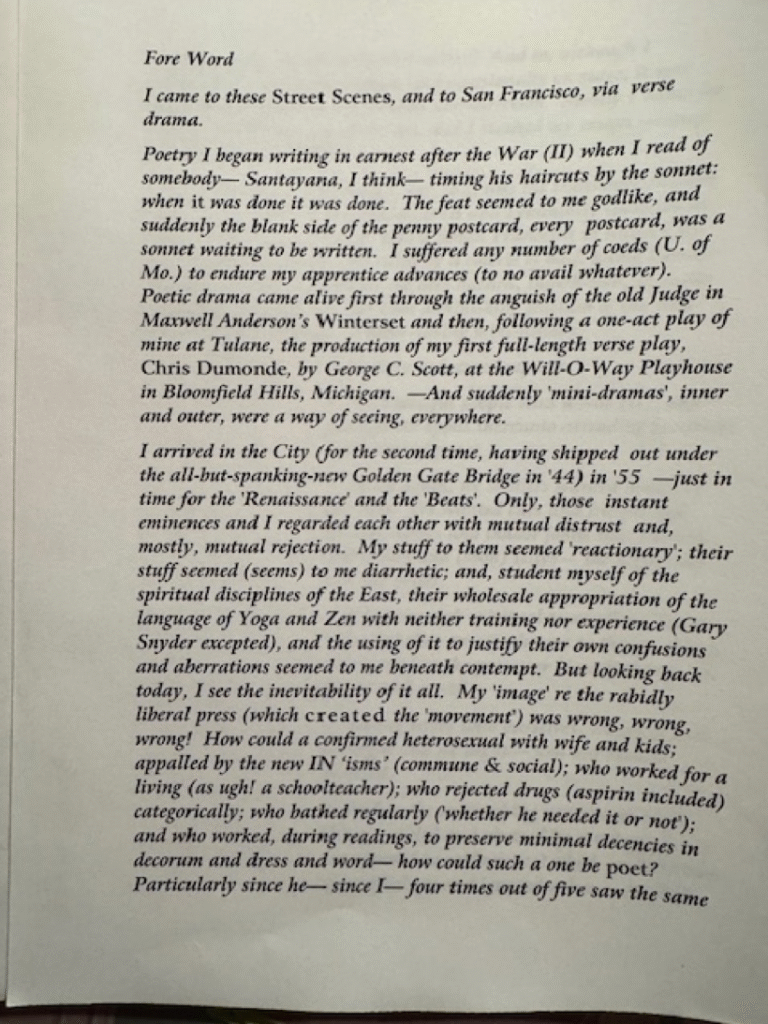
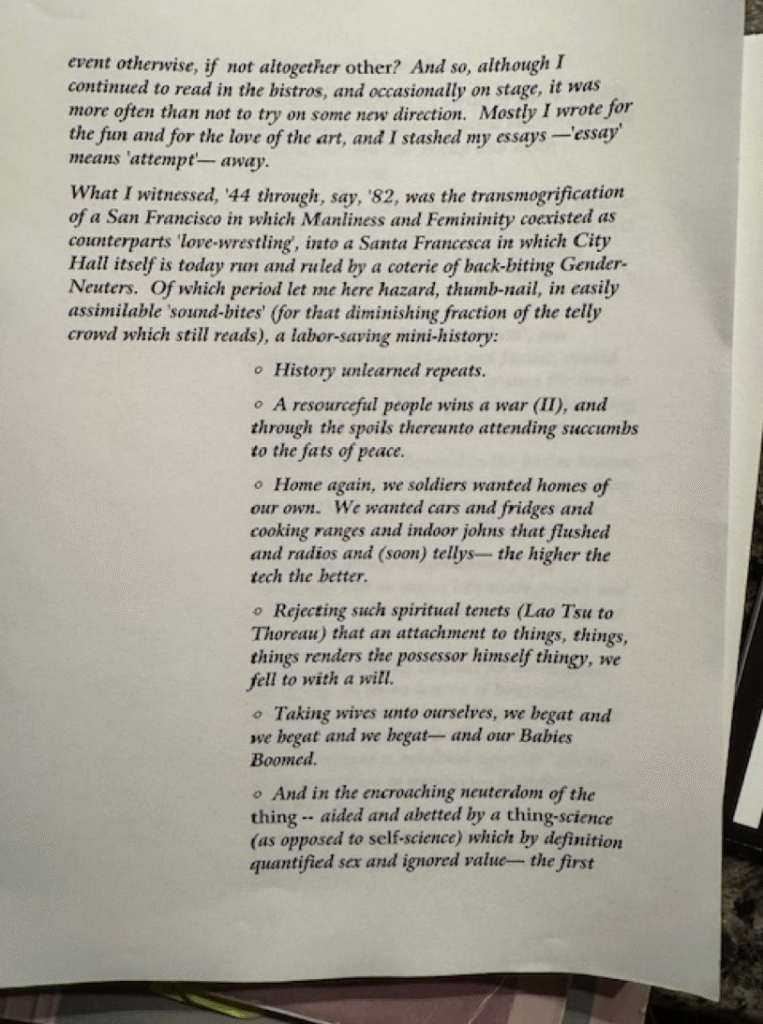
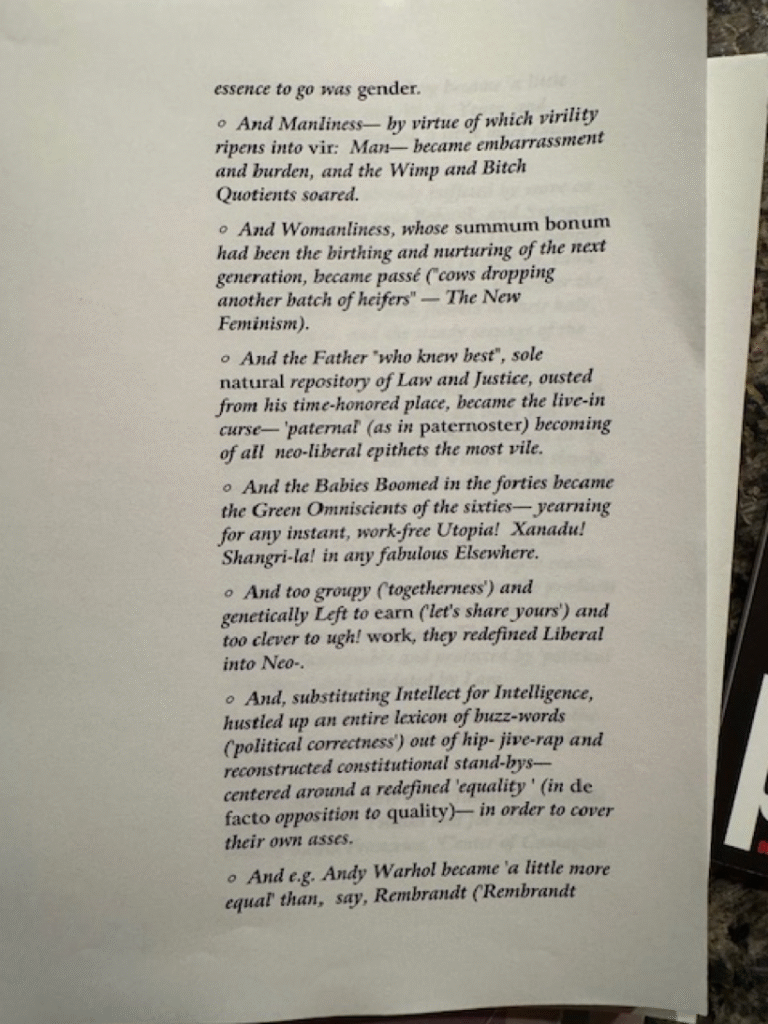
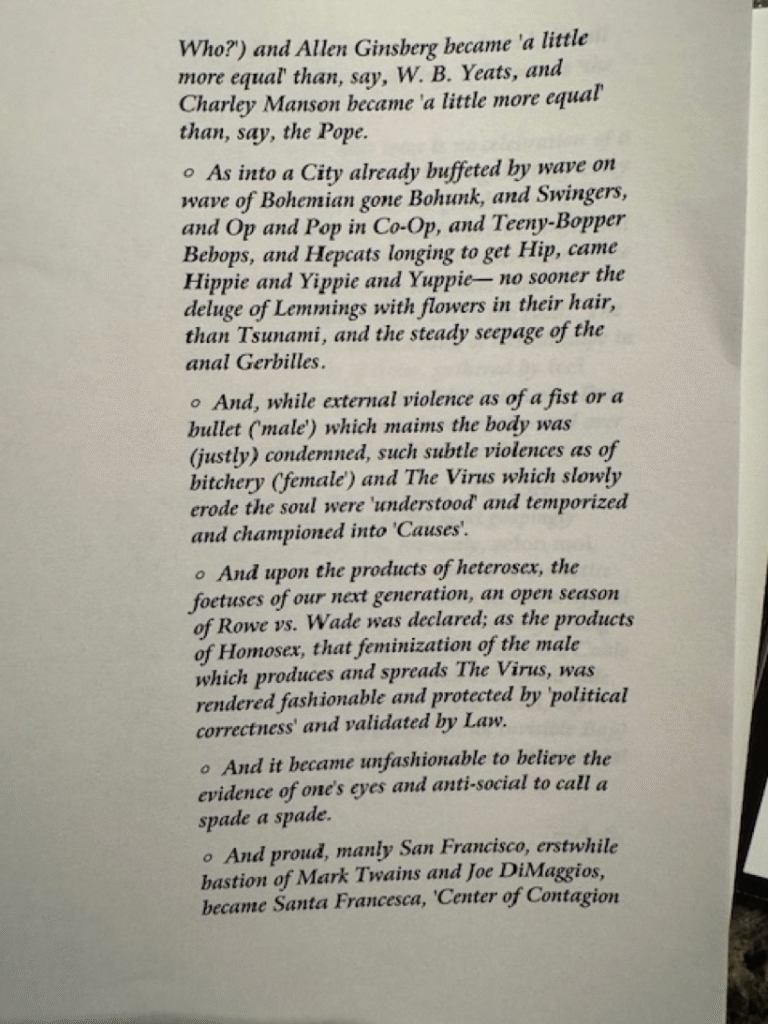
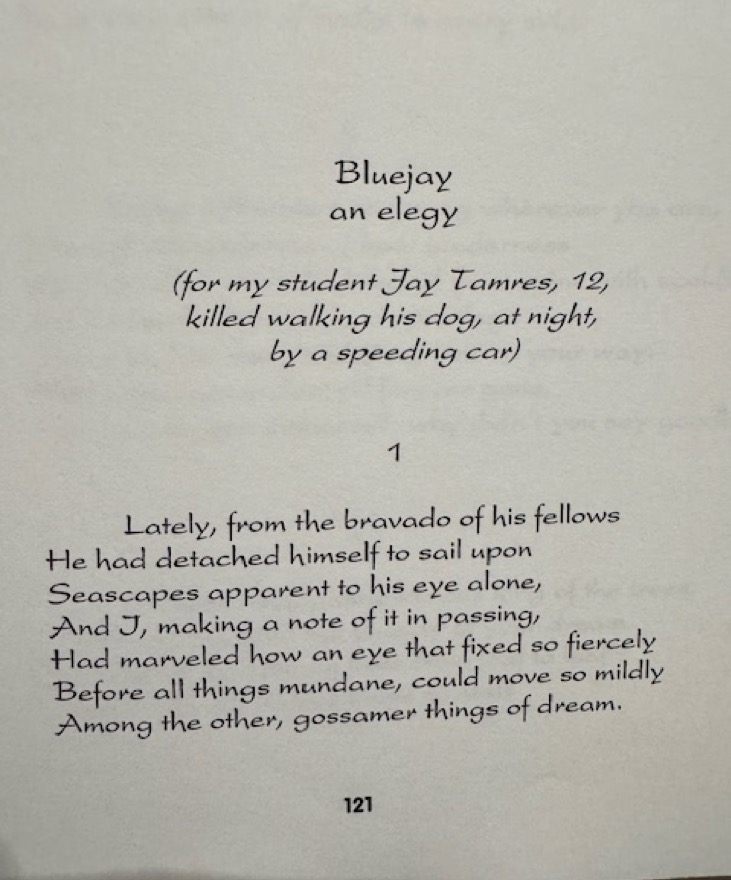
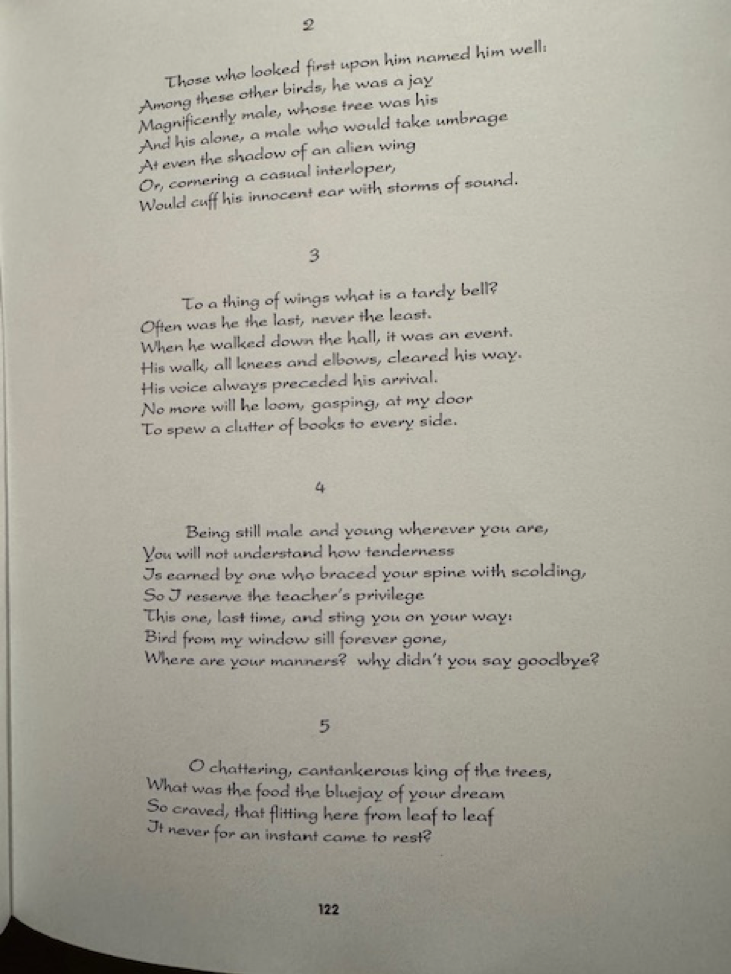
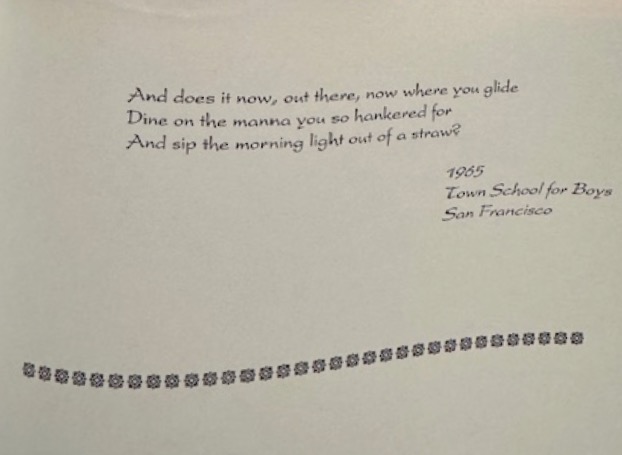
Susac, a real “character” as his friends affectionally recall him, found his way, yet with a sense of irony, masculinity, and skepticism intact. From Susac’s book we present the actual scanned pages of one of his satiric poems, views from his “Fore Word,” and a heartfelt elegy to one of his young students who was killed. These are followed by a sampling (regular text) of his lovely traditional poetry.
“PROWL”: Satire of Allen Ginsberg “Howl”
The following “Fore Word” of Andrew Susac’s book provides his background briefly before describing his incredulity and dismay of the rapid changes in San Francisco. As he admits, his book does “against (his) every preference and intention, have an axe to grind.”
For evidence that Susac’s view was not singular nor unfounded, we refer you to David Talbot’s excellent Season of the Witch: Enchantment, Terror, and Deliverance in the City of Love “…captures (San Francisco) at its most volatile and visionary.” It “…chronicles the cultural and political evolution of San Francisco from the late 1960s through the early 1980s—a period of upheaval, idealism, and rebirth. Against the backdrop of protests, assassinations, and radical change, the city emerges as a microcosm of the nation’s own growing pains.” (From book blurb)
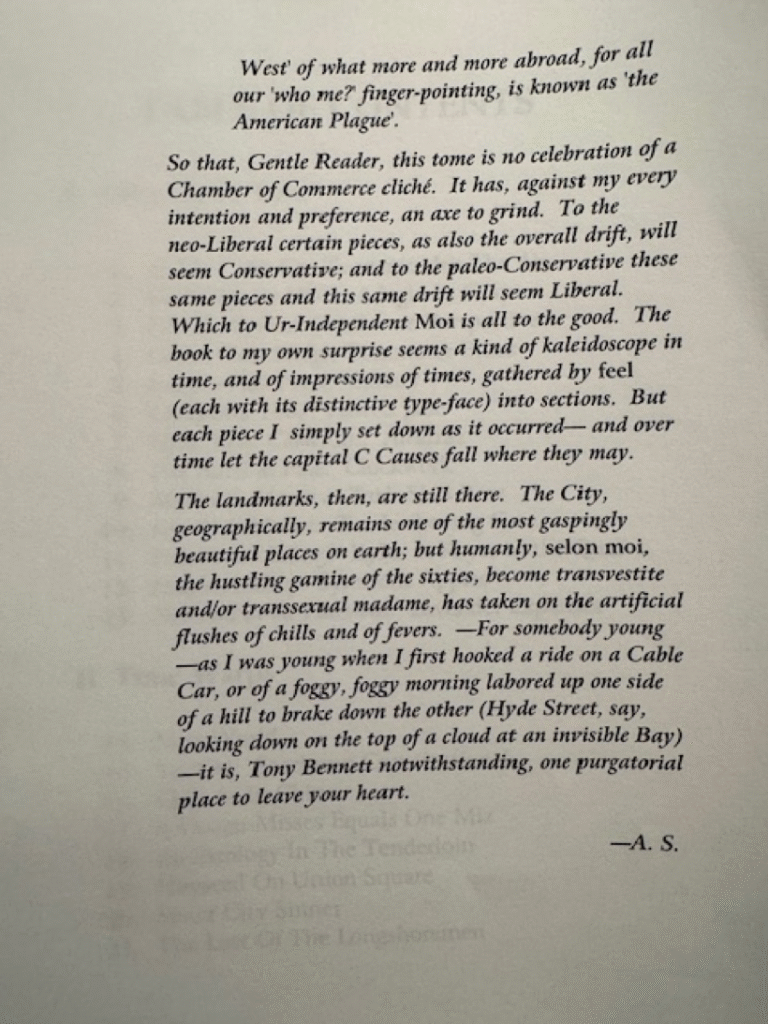
ANDREW SUSAC’S POETRY
Alexander’s Creed
I have within me all. I am a world.
Star of the night sky, though I concede
you fling arrows of light
through distances thick beyond my blood’s-imagining, do I not
between two blinkings of an eye possess you?
I who can ride and multiply and dream…!
Am I not given heart to endow
head to cognize
loins to regenerate
gut to hold fast
and by no means least spine to enliven
that which I am the equal of the best,
no less than
budding son of the high Zeus?
And you world of my critics
chronic whiners-
yea, and logic chopper Aristotle, you-
insisting that like you I rest content
chip off the old block hand-me-down lord
in slow sweet suffocation of my soul
answer me this:
how can I know the workings of my soul
unless I see its handiwork outside
whether in peace or pillage gold or blood?
Out of my nostrils; pah! you gutless wonders,
gangway:
here in the making comes a god.
Norman King
(solo for bugle)
You might have thought, because he had no friend
too fine for truth, too near his need, to spare
the withering irony that was his stare,
that Norman King was of that monstrous brand
of man who takes it on himself to rend
whatever pretends, whatever is false and fair,
all the while blinking his own character-
but to judge so is not to understand.
For I once found him in an alley, stripped,
his clothes a puddle at his feet, and when
I hotly chided him, that he could dream
of doing such a thing, he said his skin
was missing all its buttons, and he wept
because his fingers could not find the seam.
Goat Song
Beach Scene:
Ann Among The Capricorns
I sing of Ann, of sweet, shy Ann Softly, loathe to intrude
For even the tentative word of a man
Troubles her solitude.
The bud of a lily beginning to bloom,
A virgin, suddenly wise,
Her hands, protective, cover her womb
From arrogant capricorn eyes.
From somewhere within her she views an outside
Brazenly naked
And eager to enter it is terrified
Lest she will like it.
Though some man other than I, sweet Ann,
Shall see you dismantle,
May the god of love send the tenderest wind
And of goats the most gentle.
-Port Christian, Mississippi/1952
Based on the recollections, collections and memorabilia of Alex and Kaye McKleroy. Thank you!
*See more on the Baptistes: https://www.sfgate.com/entertainment/article/San-Francisco-s-yoga-pioneer-Maga-a-Baptiste-at-2647599.php